

The Problem With AI Interior Design Tools (According to Interior Designers)
AI-generated room renders are everywhere. Here's why SSID still believes stellar design needs a human.
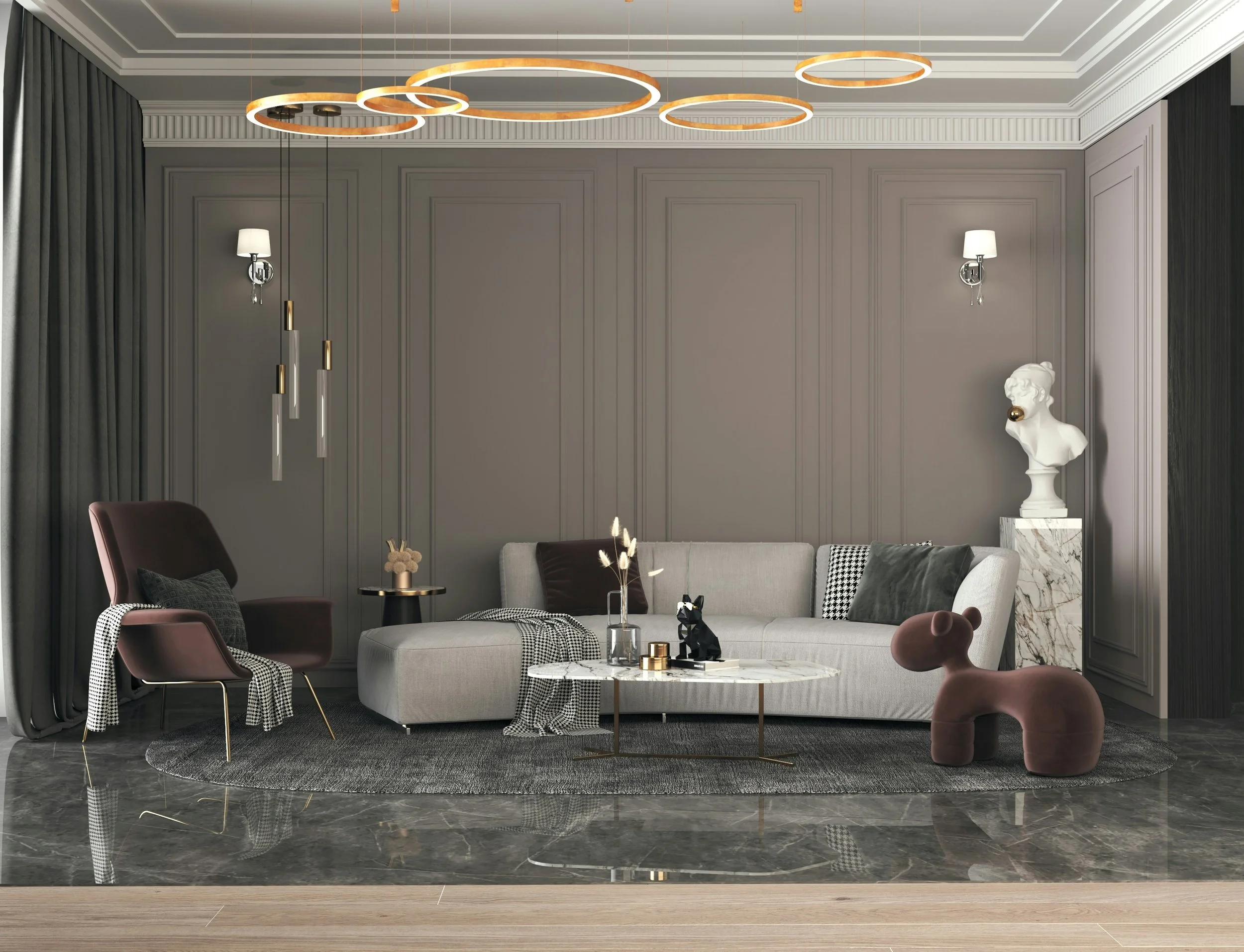
Key Facts:
AI interior design tools generate room visuals from a text prompt and an uploaded photo
Our team tested nearly every popular AI design tool. We found many AI-generated images would be impossible to execute in real life
AI can help with visualization, but it can't be relied on for applicable design ideas
Unlike AI, Human designers can walk your space, understand how you live, and take creative risks
When artificial intelligence models like GPT-3.5 were released to the general public, a tide of AI-native consumer products followed. Some of these AI tools churn out marketing copy. Others can plan a week of healthy meals. Some even offer therapy and life advice.
These days, it seems like there’s an AI platform for every service imaginable. So it was a surprise to no one when AI interior design hit the market.
The first interior design platform that gained public attention was Interior AI in 2022. Competitors like RoomGPT, Reimagine Home, and Collov followed within a year.
What Is AI Interior Design?
AI interior design uses generative artificial intelligence to create room visuals. These platforms make the same basic promise: Upload a photo, describe what you want, and watch a reimagined room appear in seconds.
Generative design tools are fast, often free, and instantly gratifying. The catch? Convenience and quality aren't the same thing.
As proud interior design nerds, the SSID team has tried almost every AI design tool out there. We've been largely disappointed by all of them. Up next, we share a few of the major problems with AI interior design:
AI Designs Are Impossible to Execute
To test the most popular AI tools, we generated a ton of renderings. The result? Half of what looked decent in the render was impossible to execute. Even Midjourney, which produces some of the prettiest images out of any tool we tried, isn't designing anything real. The platform essentially generates an impossibly beautiful picture.
AI can only rearrange the past.
AI room generators are trained on existing images. That means every design they produce is a remix of what's already been photographed. AI tools give you a rearranged version of yesterday's trends.
AI won't take risks.
AI has no taste or instinct. Models are trained to average out existing images. Put another way: AI is built to play it safe. Generative tools won't take a chance on anything that hasn’t been validated by thousands of past renderings.
AI renders often lie.
AI design tools work from a flat image rather than your three-dimensional space. Models tend to miss key details like where your outlets are located and how your doorway swings. AI can misjudge room scale, assembling impossible architecture or laying out a room in a clunky way.
AI can't ideate for real life.
AI platforms can't be trusted to generate ideas you can apply in real life. Models have no sense of your space, budget, and real-world availability. You still need a human expert who can walk the room and see the nuances and humanity an AI misses.
How to Use AI Interior Design
Curious about AI tools? These interior design tools can be useful for visualization with the right approach. Seeing a rough AI version can help you decide if a design is worth exploring.
When you’re ready to turn AI inspiration into a real room, get in touch with Sarah Stacey Interior Design. We’re a team of bonafied human designers with decades of experience designing residential and hospitality spaces with layers, point of view, and a refusal to play it safe.
FAQ
Can AI design my whole house?
No. AI tools can generate visual inspiration for a room, but they can't account for things like natural lighting, structural constraints, and how you live in a space. These details are essential to a finished design.
Is AI interior design accurate?
Not reliably. AI-generated renders are based on a flat image and prompt. Elements like scale, structural walls, and architecture are often misrepresented.
Should I use AI room generators for inspiration?
Yes. AI tools can be a useful starting point for gathering colors, styles, and moods. Treat the result as inspiration rather than a finished plan.
What's the difference between AI design and hiring an interior designer?
AI design generates generic visuals based on trends. Generative design tools have a limited understanding of your space and lifestyle. A human designer considers how you live and understands the nuances an algorithm can’t.
