

Tasteful Design Is Safe but Forgettable
What the industry gets wrong about good interior design.
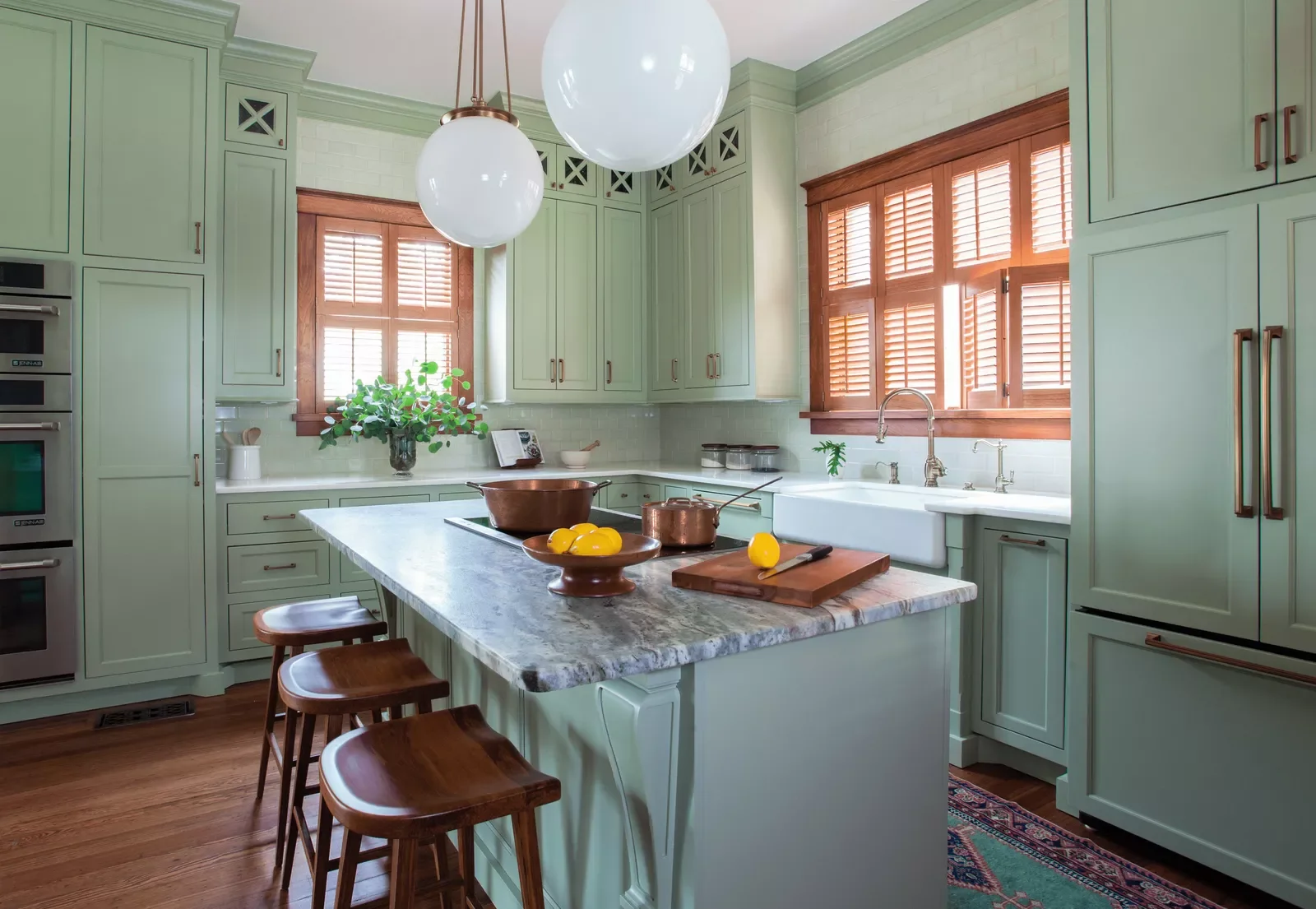
Once upon a time in the early 2010s, white kitchens were all the rage. It seemed like every renovation, real estate listing, and magazine featured the same tasteful, all-white palette.
At the time, Austin interior designer Sarah Stacey was early in her career. Working with a modest budget and a client willing to take a chance, Sarah proposed something different: a minty sage-green kitchen.
The kitchen became one of Sarah's signature early projects, helping to build her reputation for vivid colors and bold choices.
"The industry assumes good design has to be tasteful, but 'tasteful' design kind of all looks the same," Sarah said in an interview with House Beautiful. "Great design should excite you, surprise you, and tell a story. The most memorable spaces have a fearless point of view that goes way beyond tasteful."
At SSID, we believe good interior design reflects the uniqueness of the people who live there. Our work is defined by colorful, eclectic projects built around unexpected pieces.
"A lot of people can make a room look pretty, but what my clients are really after is a point of view," Sarah said. "I'm not pulling a look off the internet. I'm building something that could only belong to them."
Six Rules of 'Tasteful' Design Worth Breaking
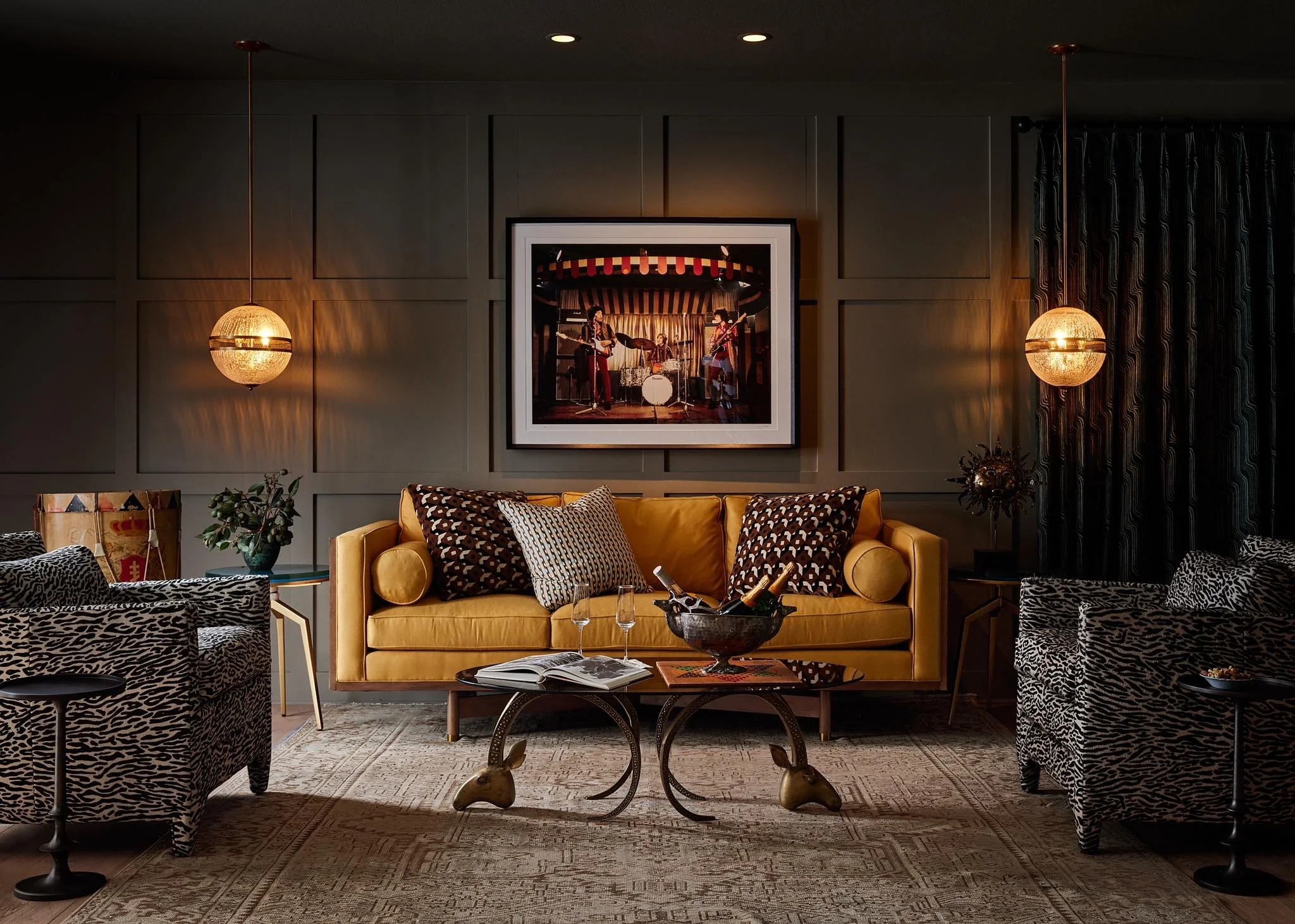
Design rules exist to be broken. Here are a few our team regularly ignores:
Stick to a neutral palette. Neutral palettes play it safe. We like to look for pops of color instead. A single saturated element — like a cobalt door against powdery blue-gray walls or a persimmon lamp on a walnut console — can make a room look intentional and alive.
Match your metals. Try pairing warm tones with cooler accents or subtle metallics for added depth, rather than sticking to a single finish throughout a space. Mixing tones gives the eye more to travel across.
Stick to one era or style per room. Mix in antique furniture with new and vintage pieces. A vintage find next to a custom piece tells a better story than a matching set.
Furniture should fit the room's scale. A single oversized piece in a small room can anchor the whole space. Dynamic scale can create drama.
Design for resale. Homes designed around resale often feel generic. Buyers respond to spaces that feel cared for and intentional.
Design for universal appeal. When making design choices, do you tend to worry whether your parents will approve? What your friends will think? Whether visitors will be impressed?
We get it. But remember that your home isn't a group project. The best interiors make sense for the people living there. Your home should reflect your point of view rather than the opinions of whoever walks through the door.
Work With Sarah Stacey Interior Design
Sarah Stacey Interior Design creates residential and hospitality interiors built around character. If you're drawn to spaces with a point of view, we'd love to chat.
Frequently Asked Questions About Tasteful Design
What is "tasteful" design?
Tasteful design tends to follow conventional rules of good taste, such as neutral colors and balanced proportions.
Tasteful design isn't necessarily bad. However, a room designed to be non-offensive can also be forgettable. At SSID, we feel it's more important to reflect the people living in the space than follow the rules.
Is bold design less timeless than tasteful design?
The opposite is often true. Bold choices made with intention — like a thoughtful color or meaningful vintage find — tend to hold up better over time than trend-driven choices.
Does designing for personality hurt resale value?
Intentional, artfully executed design rarely hurts resale value. Buyers respond to spaces that feel cared for, even when the choices are unique to you. On the other hand, homes designed around resale can feel generic.
How do I know if my home is playing it too safe?
If your space feels acceptable to everyone but exciting to no one, it may be leaning too tasteful. Here's a good starting question: Do your spaces reflect something specific about how you live or what you love?
What makes good interior design?
Good interior design goes beyond following rules like neutral colors and balanced proportions. Memorable design reflects the specific people living in a space, has a clear point of view, and takes a risk.
